Fashion, art, and the algorithm
‘scroll-stopping’ art, the commodification of cool, and the attention economy
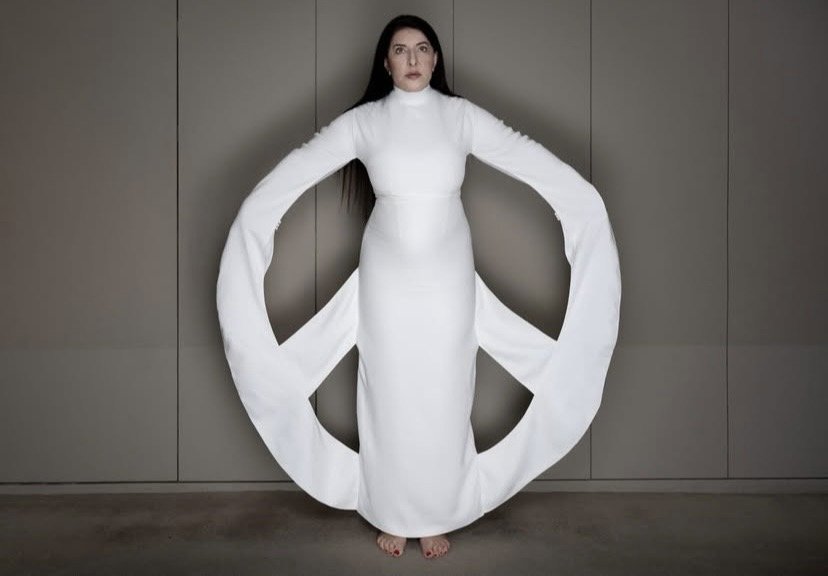
Marina Abramović during her 2024 Glastonbury performance piece
I’ll be the first to admit it. When posting a meal to my story I might angle my plate in a certain way; or when posting a selfie I might angle my body in a specific way. In pictures, the laundry-ladled corner of my room is often forgone for its clearer, more visually pleasing counterpart – all in an attempt to aestheticise my life. We’re all at the mercy of the algorithm. Whether it’s conscious or subconscious, we’re very aware of what it favours… we must stop people mid-scroll. Clean lines, visual titillation; intrigue, and bedazzlement. Fashion is, of course, another tool to help you get there.
I bring up the algorithm because there’s a perceptible shift in the proliferation, and even the creation itself, of contemporary art online. While social media isn’t merely a vessel for fit checks and photoshoots, a lot of art that I’ve seen lately seems to fit seamlessly amongst them. In a sense, this is nothing new. Fashion and art have had a long-standing relationship since forever. Some might consider it symbiotic, while others might consider it tenuous at best — and superficial at worst. Take Nan Goldin, a photographer revered for her searingly intimate images taken during the AIDS epidemic, who has now gone on to shoot for Gucci several times. And last summer, when Marina Abramović conducted a seven-minute silence at Glastonbury in order to ‘raise the vibration of the festival’ and ‘hopefully the world’ amidst our war-torn times, she called on Riccardo Tisci to craft her into a symbol of peace.
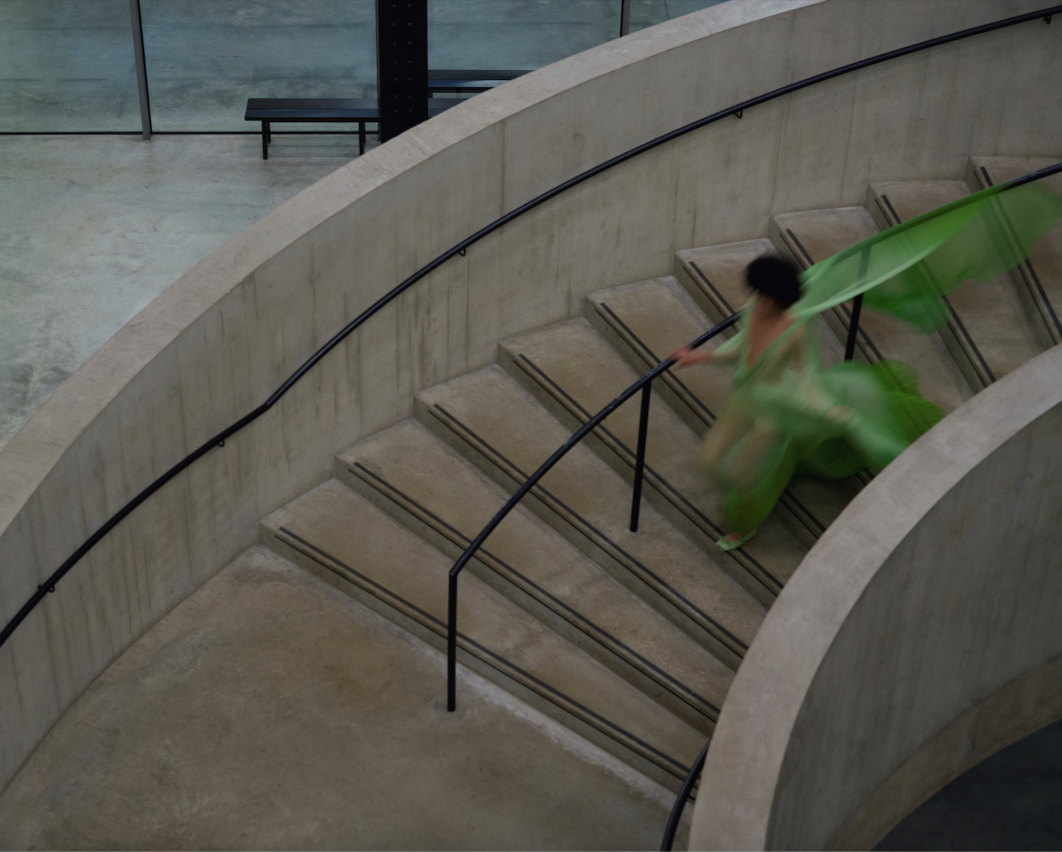
Nan Goldin for Gucci (2024)
It’s a relationship that exists, whether we like it or not. But I’ve found myself ruminating on it, especially as of late, with the muse-turned-artist Bianca Censori’s ‘BIO POP’ performance in Seoul last month. With the performers’ skin-tight latex bodysuits, sleek black hair, and striking 70s makeup, it could easily be mistaken for an editorial – or some kind of ‘freaked out’ showroom. It really called the fashion-art paradigm into question for me. Where exactly do we draw the line? Can a piece be as ‘cool’ as it is meaningful? And, is the algorithm now a part of the process?
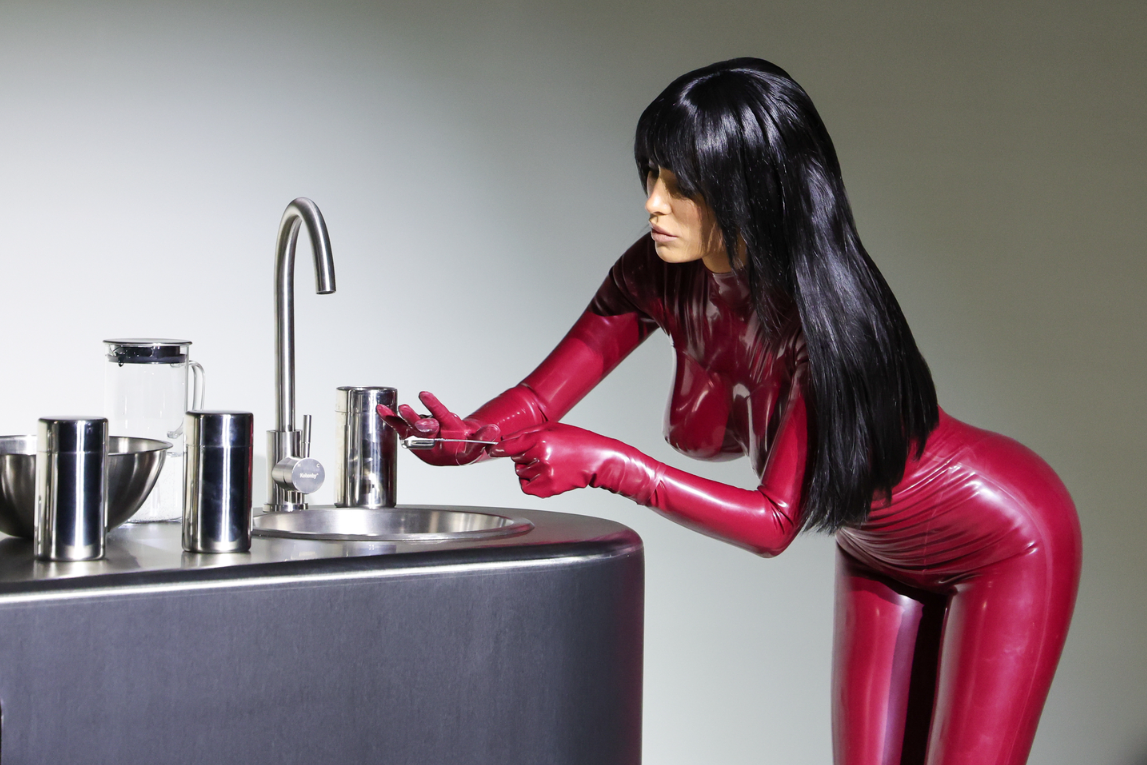
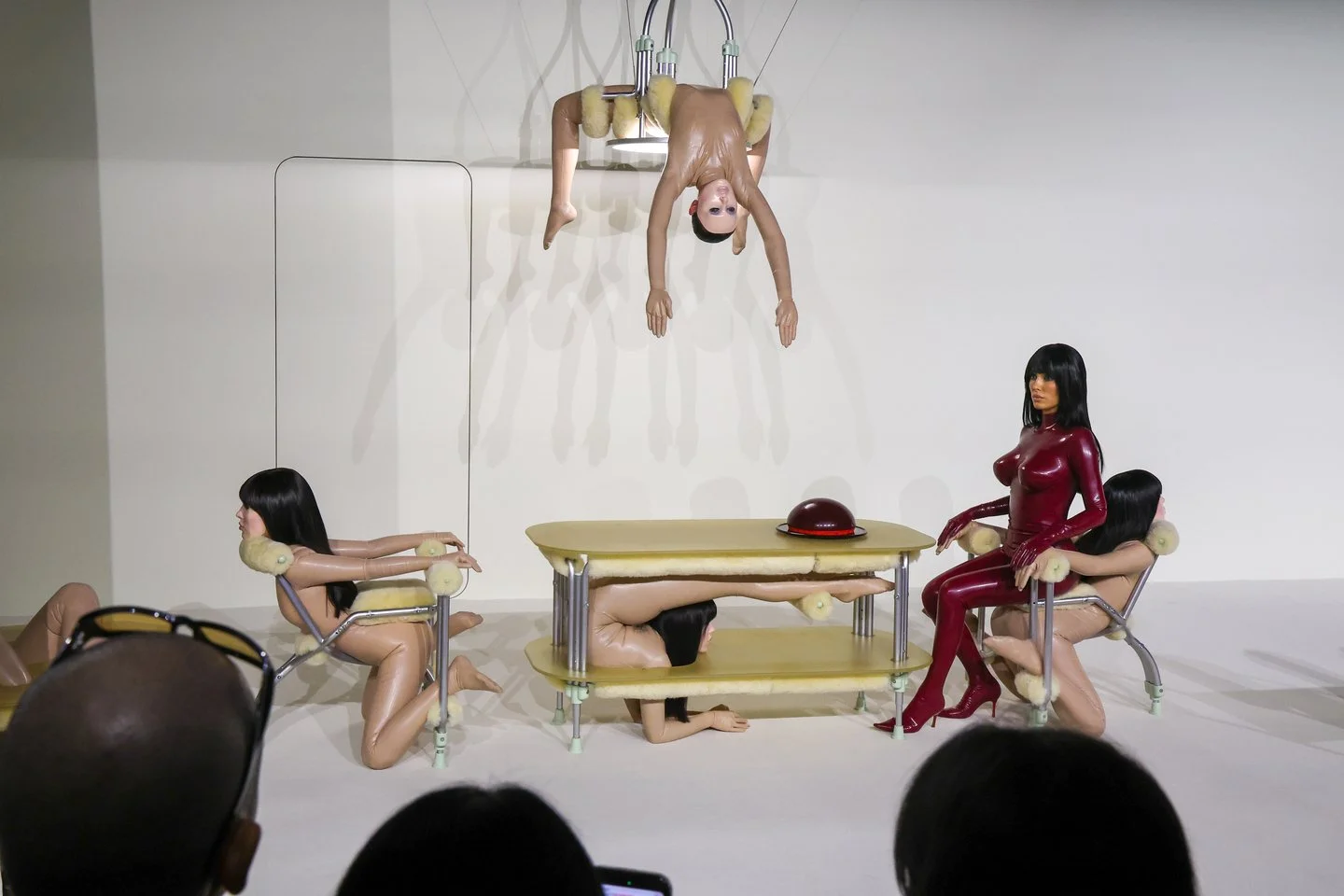
Bianca Censori’s ‘BIO POP’ performance, 2025
If you were to ask me, Bianca’s greatest art piece was her 2025 Grammys look (or lack thereof). It was true performance, you really had to have been there to experience the stunt in all of its glory. What us mere mortals saw were video and photo reproductions – obscured by layers of censor bars, blurring, and pixelation. I can only imagine the shock and confusion that washed over the attendees, and it transcended into internet discourse for days. It interrupted the algorithm, with everyone interrogating the very notion of an artist and his muse. Questions of voyeurism and exploitation floated around, and I found it fascinating to observe and engage with. Without going further into the implications of this look, I find it far more impactful as a performance piece than the sheer derivativeness that Bianca presented in Seoul.
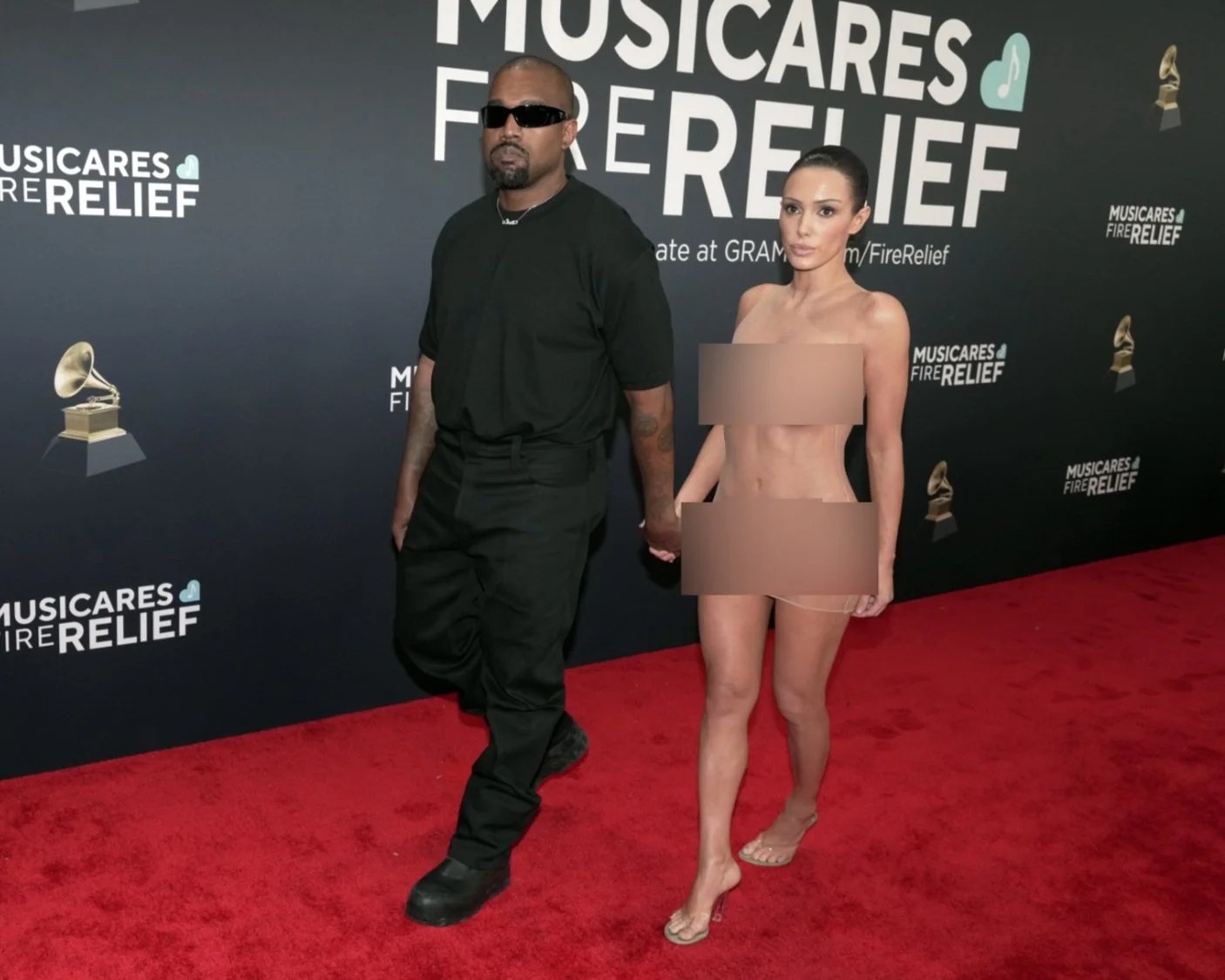
Bianca & Ye at the 2025 Grammys
Allen Jones, ever heard of him? His seminal ‘fetish furniture’ works invoked large waves of controversy in his attempt to depict, “objectification rendered as object,” as the British artist himself describes. Its first installment was unveiled in 1970 with ‘Hatstand, Table, and Chair,’ and it ruffled people’s feathers. The works became an international sensation. While many feminists were in uproar, decrying its degrading nature, Jones’ ‘fetish furniture’ series has now solidified its place in the canon of late Modern art. So decades later when Dazed writes that Bianca’s extremely similar work, “meditates on themes of objectification, domesticity and womanhood,” are we supposed to care?
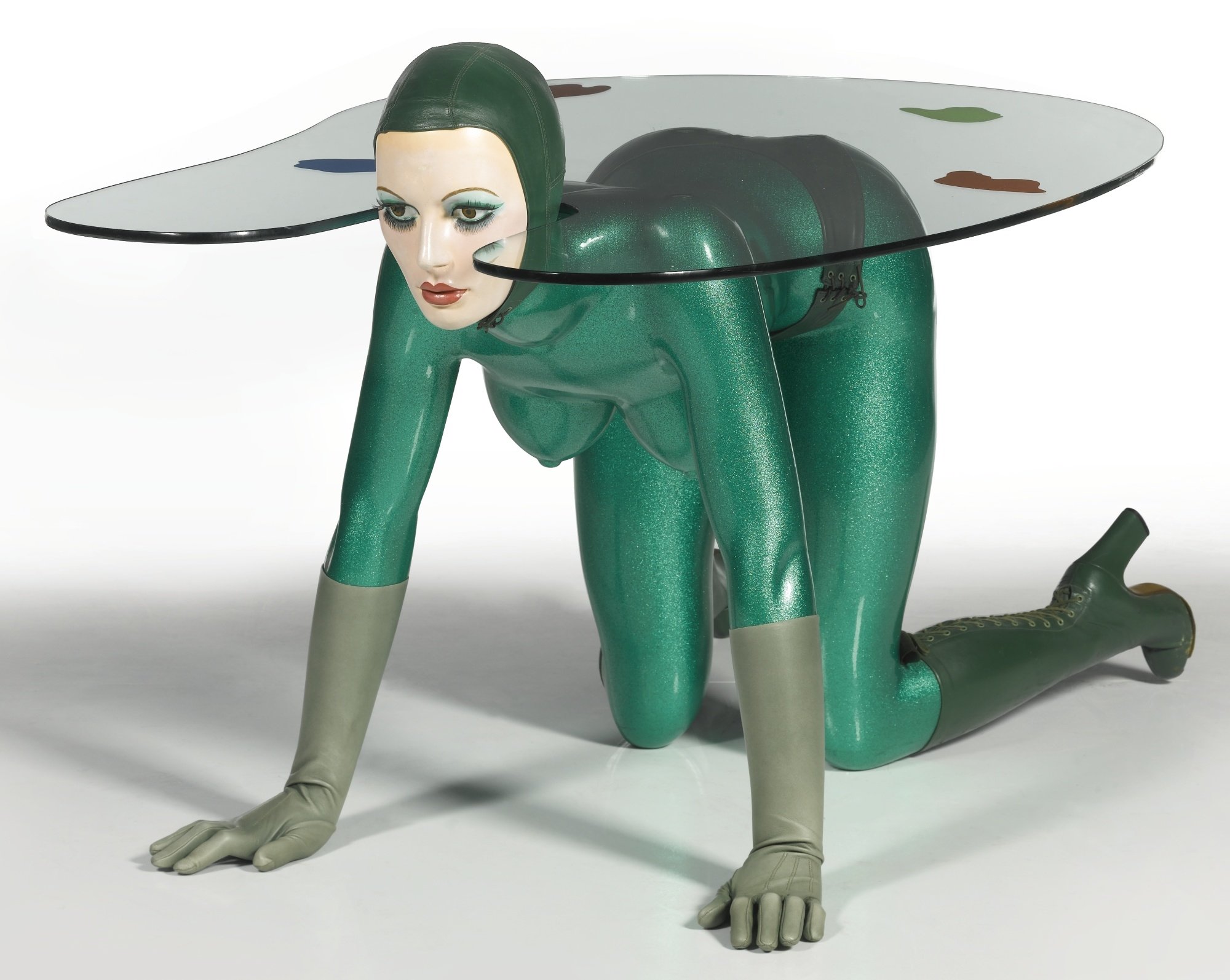
Allen Jones ‘Green Table’ (1972)
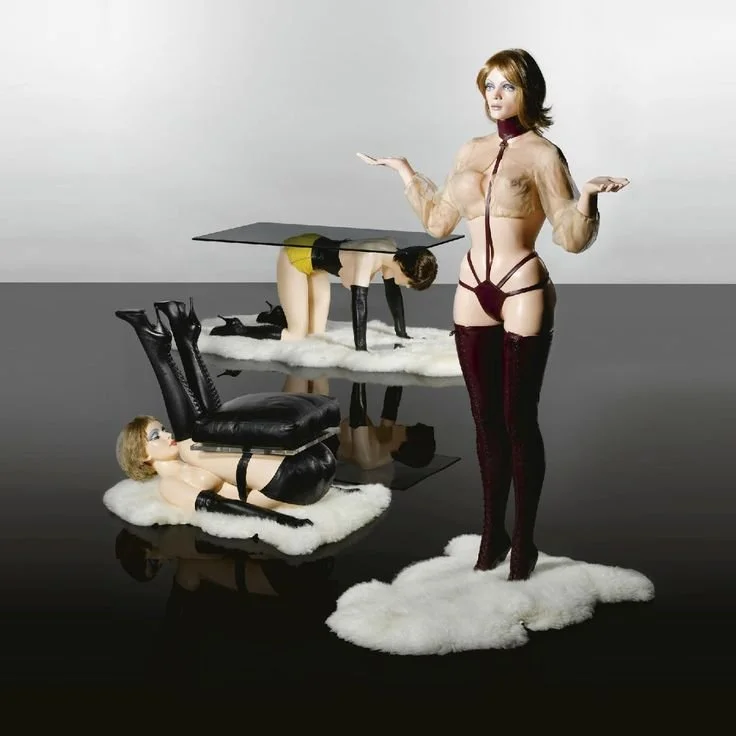
Allen Jones ‘Hatstand, Table, and Chair’ (1970)
I’m all for a good reference, don’t get me wrong – but it’s as if Bianca tried to rehash the controversy that Jones originally whipped up. Comments on her Instagram read along the lines of, “Stop objectifying women!!!!” and “Dehumanising.” Mission accomplished. While supposedly taking Jones’ idea further with the whole performance aspect, this attempt to generate an algorithmic frenzy offers no conceptual evolution whatsoever. In contrast with the viral works of Anna Uddenberg, whose oeuvre people have also drawn comparisons to ‘BIO POP’ with, this becomes all the more clear.
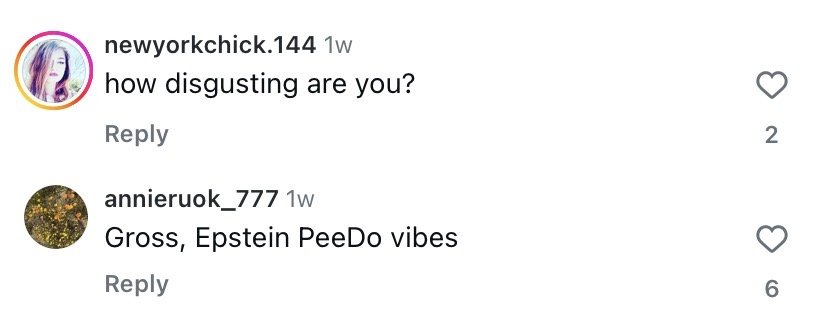
Screenshot from Bianca’s Instagram comments
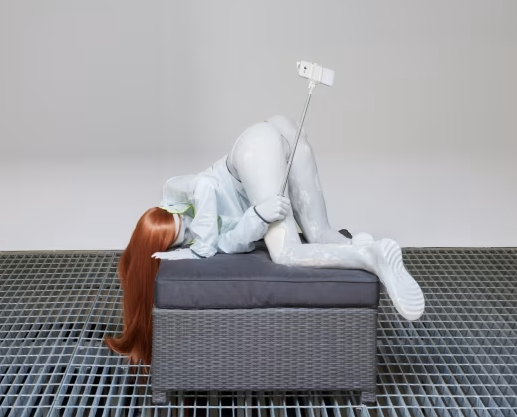
Anna Uddenberg ‘Journey of Self Discovery’ (2016)
I’d say Uddenberg’s work and the algorithm exist in a symbiosis. It’s the fire that keeps her work burning, while also being the subject matter itself. The sculptures shown in her last London exhibition ‘Home Wreckers,’ for example, are like amalgamations of the feed. It’s as if I’m scrolling through Instagram at light speed, and these are the trendy, shapely, faceless figures that emerge. In her profile on Uddenberg, Devorah Lauter writes that these works, “manage to both skewer our consumer and smart-phone-obsessed lives, including their binding demands on women’s bodies, while also, uncomfortably showing elements of their attraction.” It is precisely this tension that makes her work valid. These sculptures are equal parts titillating and unnerving; ‘cool’ is the message and the medium.
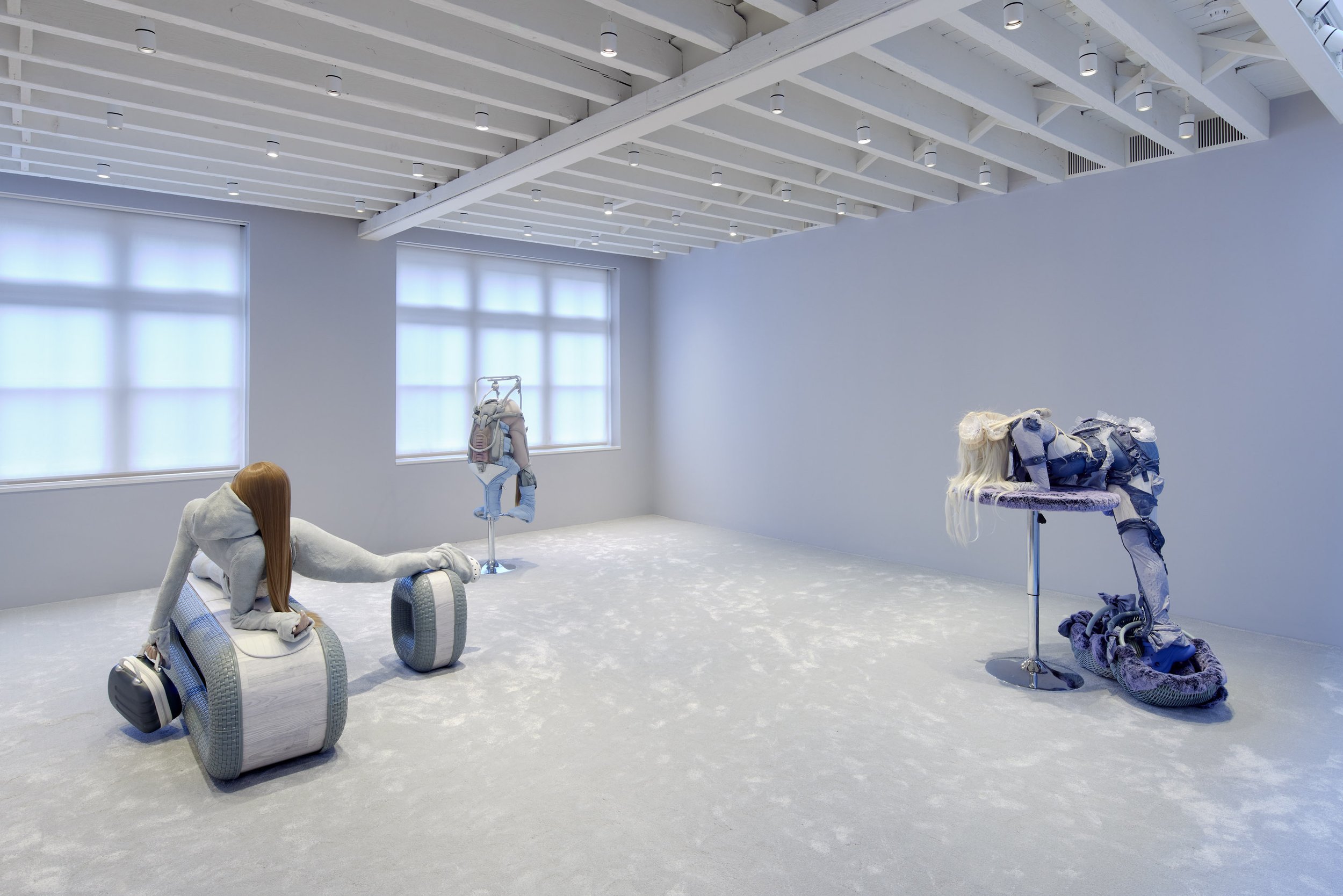
Anna Uddenberg ‘Home Wreckers’ exhibiton (2023)

Anna Uddenberg ‘Continental Breakfast’ performance (2023)
Safe to say, it’s working for her – playing the algorithm at its own game has garnered the artist a whole lot of online attention — perplexling viewers en-masse especially with her ‘Continental Breakfast’ performance. So when you take into account that ‘BIO POP’ coincided with the launch of Bianca’s new jewellery collection, everything clicks into place. Bianca went down a similar aesthetic route so she too could get a slice of the attention pie. Attention = sales… no?
Suffice to say – fashion, art, and the algorithm are collapsing in on each other. While conceptually unified by the idea of performance, commercialisation is the driving force. Even Prada used the internet’s algorithm-driven “infinite panorama” as a starting point for its SS25 collection. Was it conceptually apt, or was Prada just playing up to our consumerist, algorithm-fuelled inclinations? While some people have a disdain for fashion as it “embraces a disguise,” and “relies on an acceptance of the fake” – it’s precisely these associations that make it rife with inter-disciplinary potential. There’s no denying that aesthetically, and evocatively, fashion can lend itself to the artistic toolbox – but it’s a toolbox that is all the more influenced by algorithmic forces beyond our control. Glorified advertisements are being passed off as art, feigning to be something they’re not. There’s a difference between commentary and full-on submission. While attention is today’s most valuable resource – no one wants to feel like their consciousness is being sold.